Is your San Marino home unlike anything else on the market? That uniqueness is your edge, but it also makes pricing tricky. In a low-volume, high-end market, the right number is about more than price per square foot. It is about strategy, story, and timing. In this guide, you will learn how to define your pricing goal, build a defensible number, and support it with marketing and negotiation so you protect value and move with confidence. Let’s dive in.
San Marino luxury market at a glance
San Marino is a well-established, affluent enclave in Los Angeles County with larger lots, historic architecture, and a limited number of sales each year. With fewer direct comparables, individual features like lot size, provenance, and landscaping can swing value more than in broader LA markets. Marketing windows often run longer at the top end, and price-per-square-foot can vary widely.
Luxury pricing here is also sensitive to interest-rate movement and the stock market. When jumbo financing tightens or rates rise, the active buyer pool can shrink and buyers gain leverage. On the upside, continued demand for privacy, usable outdoor space, and turnkey amenities supports premium pricing when the home is well presented.
What drives value here
Primary drivers
- Lot size and usable yard. Larger, flat, and private lots with mature landscaping, pool or spa, and outdoor living areas often command a premium.
- Location within San Marino. Proximity to local schools, parks, and quiet residential streets influences buyer interest and price sensitivity.
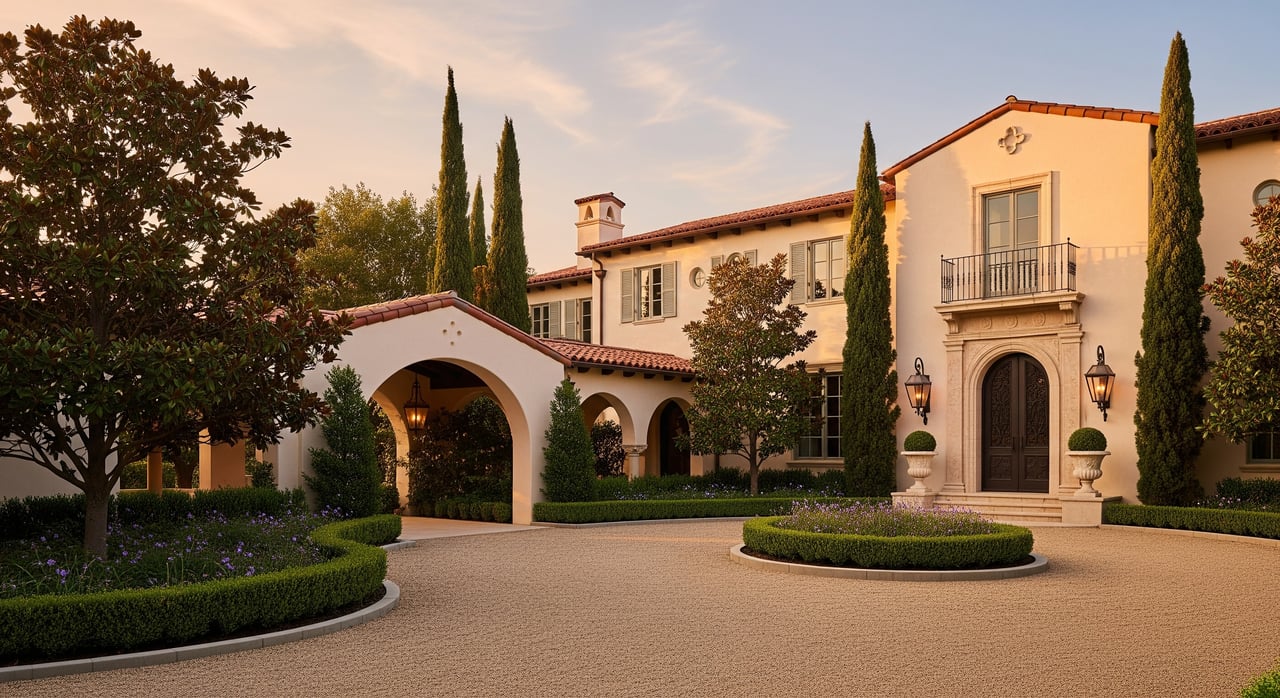
- Architecture and provenance. Historically significant or architect-designed homes with well-preserved period details can trade above typical comps.
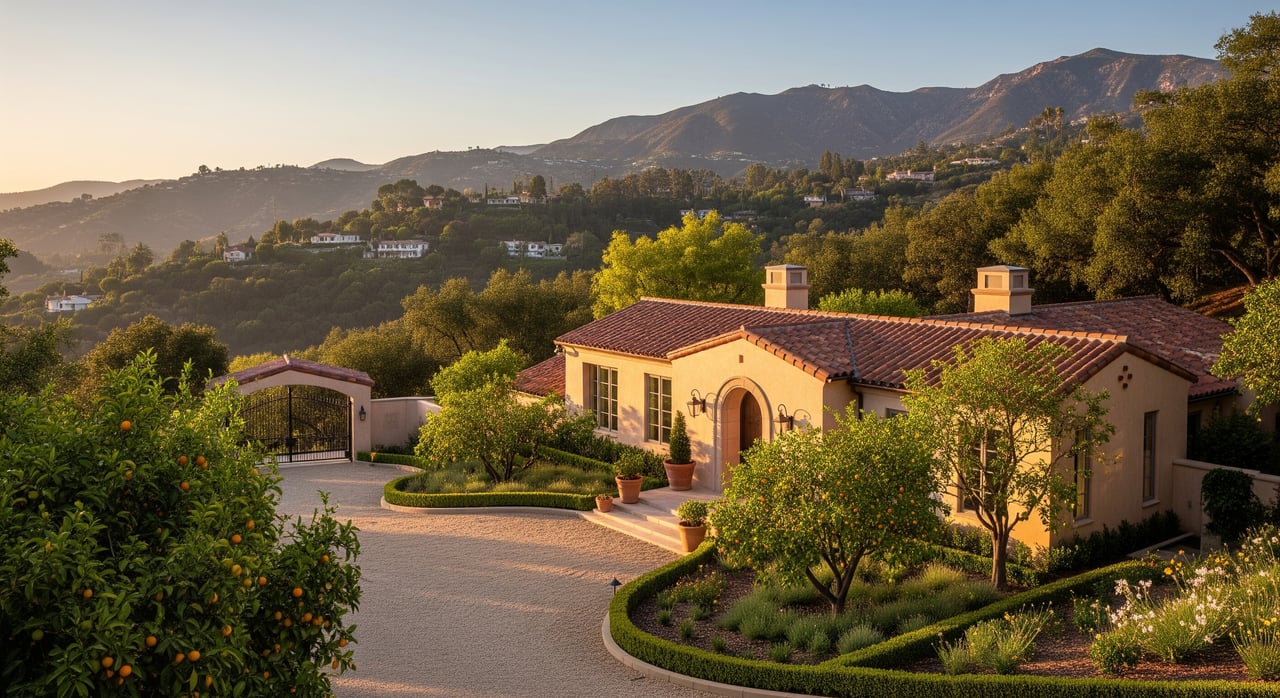
- Privacy and security. Setbacks, gated entries, and tree buffers are highly valued by high-net-worth buyers.
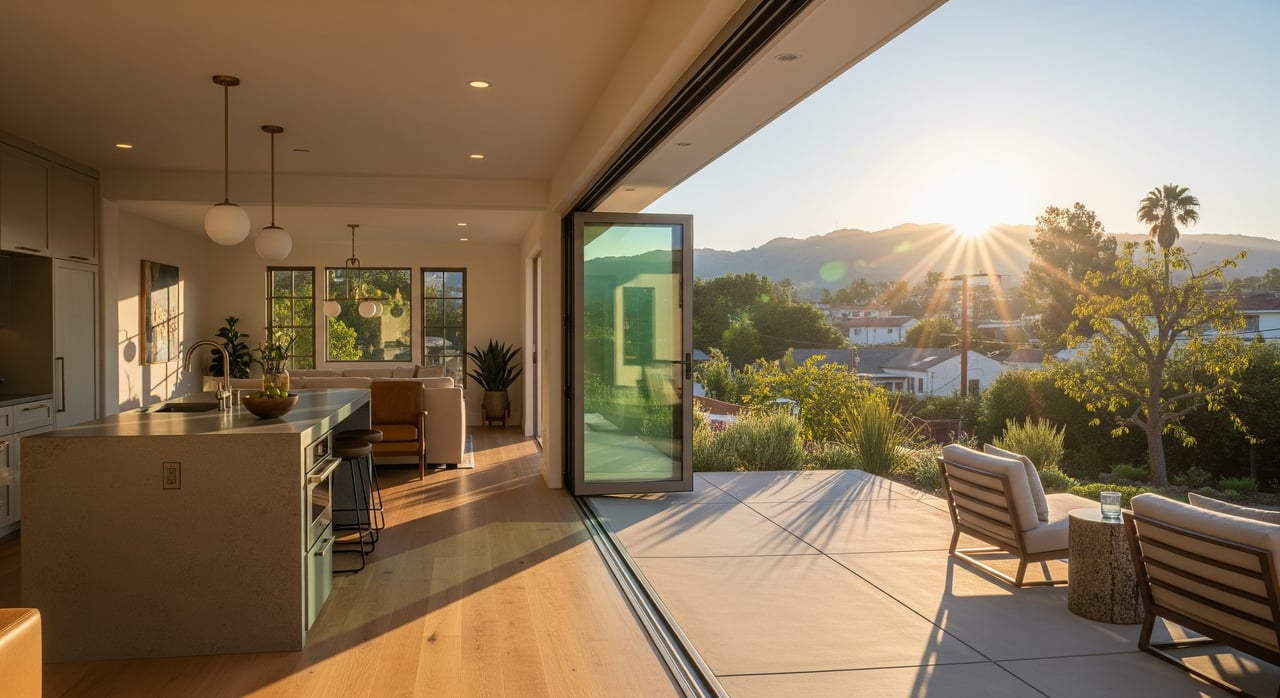
- Condition and turnkey status. Updated kitchens and baths, modern systems, and quality finishes widen your buyer pool and reduce friction.
- Views and siting. While not a hilltop market, special siting or outlooks can add value.
Secondary drivers
- Guest house or ADU. Permitted additional units increase utility and flexibility.
- Parking and garage capacity. Multi-car garages or generous driveways matter for many affluent households.
- Energy and resilience features. Modern HVAC, seismic upgrades, and updated utilities are often expected at this level.
- Historic or design overlays. Preservation rules can add desirability for authenticity, but may limit changes. Buyers should understand both sides.
Legal and disclosure essentials
- Standard California disclosures apply, including Transfer Disclosure Statement and Natural Hazard Disclosure, with additional third-party reports common at the luxury level.
- Prop 13 limits annual tax increases, but a sale triggers reassessment and potential supplemental taxes. Buyers should plan for this.
- Any unpermitted additions or code issues must be disclosed and can affect value and financing.
- Local rules on setbacks and tree protections can impact future plans. Confirm with city planning.
Set your pricing goal
Before picking a number, decide what success looks like for you. Your objective shapes your strategy.
- Quick sale. Price competitively to draw immediate attention. In strong demand periods, a slight under-market list can invite multiple offers.
- Maximize net proceeds. List at or slightly above market with patience and premium presentation. Avoid prolonged overpricing that can stigmatize the property.
- Privacy-first exposure. Consider an off-market or broker-controlled rollout when confidentiality matters. This trades broad competition for discretion and certainty.
Build a defensible price
Tight CMA with thoughtful adjustments
Start with recent closed sales in San Marino that match your lot size and architectural style. When exact matches are scarce, use paired-sale logic to adjust for condition, lot utility, and amenities like a pool or guest house. Stay as close as possible in proximity and property profile.
Account for time and market movement
Because luxury comps can be older, apply time adjustments reflecting current market direction. Document your method using local trend indicators and recent pendings so your price is supportable with both buyers and appraisers.
Consider multiple valuation approaches
- Comparable Sales is primary for most single-family estates.
- Cost or Replacement helps when the home is highly custom or recently built. Factor land value, soft costs, and potential demolition.
- Income is rarely primary unless there is a clear rental or estate-income component.
Tactics that move the needle
Anchor pricing and search bands
Be mindful of key thresholds that affect search filters. In luxury segments, a clean round number can read as prestigious, while strategic pricing just under a band can increase discoverability. Match the approach to your likely buyer segment.
Under-market to spark bidding
When demand is proven, a modest under-market list can generate competition. This approach requires careful risk assessment in a thin-comp market, since bidding wars are less predictable than in entry-level segments.
Price banding with staged reductions
If initial pricing misses the mark, plan purposeful adjustments tied to marketing pushes and feedback. Pre-set timing and triggers help you avoid ad-hoc cuts that can signal distress.
Off-market or pocket strategies
For sellers who prioritize privacy, a controlled rollout to qualified buyers and top brokers can yield strong outcomes without broad exposure. Success depends on agent relationships and precise pricing guidance.
Appraisal and financing realities
In low-comp, high-value segments, appraisals can lean conservative. Support your list price with a robust package that explains comp selection and adjustments, and include relevant pendings. The buyer mix matters too. Jumbo financing brings appraisal and rate sensitivity, while cash buyers reduce those risks and can justify premium terms. If financing is involved, structure appraisal contingencies and potential concessions with care.
Marketing and terms that lift price
High-end marketing assets
At the luxury level, professional marketing is the baseline. Expect high-resolution photography, aerial video, cinematic walkthroughs, detailed floor plans, and virtual tours. Broker events and targeted outreach to top producers, plus curated mailings and private showings for qualified buyers, reinforce premium perception.
Terms that add value
Price is only one lever. Flexible closing dates, minimal contingencies, meaningful deposits, and the ability to accept a non-contingent offer can all improve net outcomes. In the right scenario, escalation clauses can help capture top-of-market value.
Inspection strategy
Pre-list inspections for roof, pest, sewer, or structural items can reduce buyer negotiation leverage and support your list price. Be prepared to address or disclose findings so you maintain trust and momentum.
Measure results and adjust
Track the signals that matter: days on market, qualified showings per week, broker feedback, and early offer activity. In a luxury segment, patience is warranted, but a shortage of qualified showings in the first two to four weeks often signals a pricing mismatch. Use pre-agreed decision rules for timing and size of adjustments.
Pre-list pricing checklist
- Verify title and any unrecorded agreements.
- Order targeted pre-list inspections as needed.
- Build a heritage file with architect, year built, permits, major renovations, and provenance.
- Prepare a focused CMA with closed, pending, and active listings, plus time and condition adjustments.
- Choose your exposure plan: public MLS, controlled off-market, or staged launch.
- Produce photography, floor plans, and a marketing calendar with budget.
- Set a pricing timeline and clear rules for adjustments.
Partner with a pricing advisor
A strong price is part math, part narrative, and part market timing. You deserve a plan that aligns with your lifestyle goals and long-term wealth strategy. With concierge preparation, valuation expertise, vetted vendors, and negotiation discipline, you can protect your equity and move on your timeline.
If you are considering a sale in San Marino, let’s build your pricing strategy together. Book a private consultation and get an instant valuation through Michael Ferrera’s concierge advisory. Connect with Michael Ferrera to get started.
FAQs
How should I price a historic San Marino home?
- Focus on architect provenance, preserved period details, and any preservation rules, then adjust comps for condition, lot utility, and uniqueness while documenting your approach.
How long do luxury homes take to sell in San Marino?
- Marketing windows are often longer than broader LA due to low volume and unique property features, so track qualified showings and feedback to guide timing and adjustments.
How do interest rates affect San Marino luxury pricing?
- Higher jumbo rates can reduce the active buyer pool and shift leverage to buyers, so align pricing and terms with current financing conditions and highlight strengths to cash prospects.
Should I do pre-list inspections for a luxury listing?
- Yes, targeted pre-list inspections help surface issues early, reduce renegotiation risk, and support a confident list price in a high-stakes segment.
Can an off-market sale achieve a premium in San Marino?
- It can when privacy is paramount and the agent has strong broker relationships, but you trade broad competition for discretion, so pricing precision is critical.